Introduction to Infrared Thermography
The only diagnostic technology that can instantly detect, visualize and measure thermal energy
Infrared thermography uses a non-contact camera that can detect radiation in the infrared energy of the electromagnetic spectrum and convert it to a visual image.
Temperature is a critical indicator of equipment health and operational safety across every industrial process, commercial system, building, machine and electrical system on this planet.
Why Infrared Thermography Matters
The fastest growing predictive maintenance and nondestructive testing method globally
Infrared thermography is the fastest growing predictive maintenance and non-destructive testing method globally!
No other instrument provides the diversity of applications and inspection capabilities in any setting. All objects continually emit infrared energy to the environment—energy that is not visible to our eyes, unless an infrared camera is used!
Key Advantage: Application diversity in non-destructive testing and condition monitoring. No other instrument offers so many possibilities for industrial, commercial, and building inspections.
Within industry, temperature is the most frequently used measurement because it provides valuable information regarding the condition of any process or component within any facility.

Infrared Condition Based Maintenance Program
Transforming maintenance from reactive to predictive
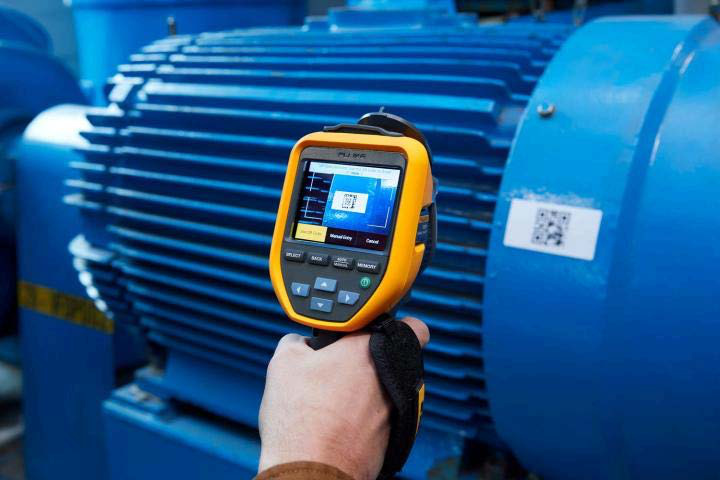
The overall goal of starting an infrared condition monitoring program is to identify thermal anomalies anywhere on any asset and provide decisive elements to identify maintenance needs, reduce costs, save time and increase safety.
Rotating Equipment
Chillers, Motors, Pumps, Generators, Fans, Compressors, Gear Boxes, Controls
Electrical Systems
Transformers, High-Voltage Switches, Motors, Circuit Breakers, Relays, Capacitors, Bus Ducts, Panels, Cables
Stationary Equipment
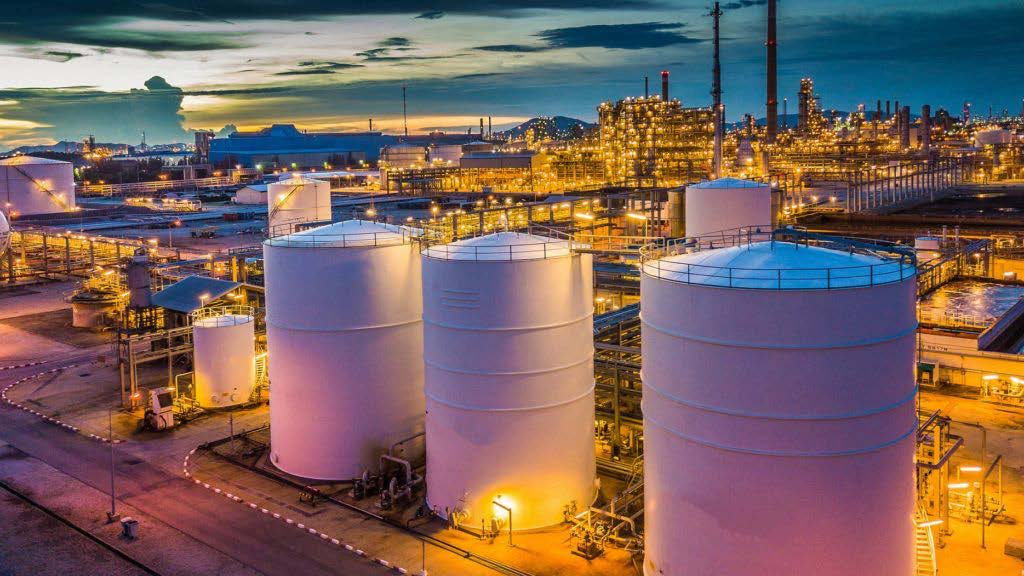
Insulation, Roofs, Piping leaks, Tanks, Steam traps, Heat exchangers, Filters, Building envelope, Valves, Refractory, Furnace interiors
Professional Thermography Requirements
Professional expertise and formal training are essential

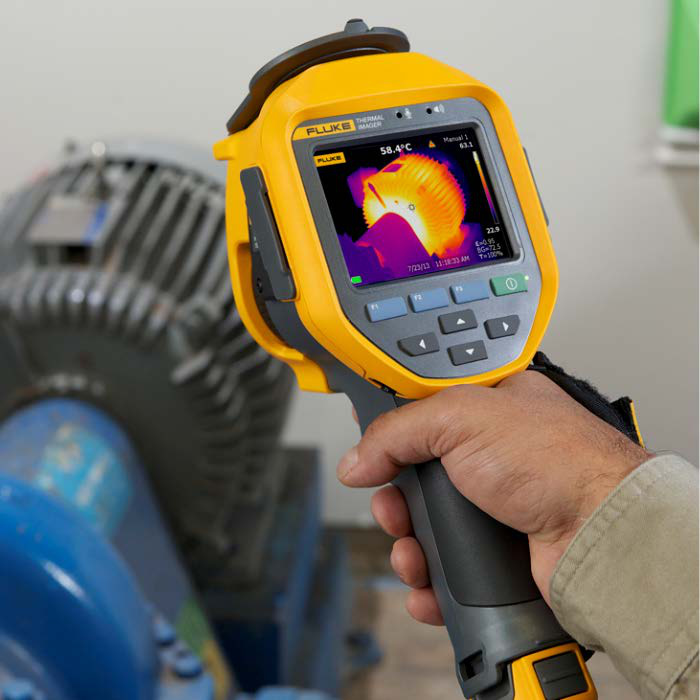
Infrared Thermography is NOT a "point and shoot" technology. False thermal patterns detected and other effects will impact an infrared inspection:
Accuracy Considerations:
Professional thermographers must be Full Level 1 certified to understand infrared theory, heat-transfer principles, site conditions, and weather influences on results.
Insurance Industry Support for Thermography
Industry validation and risk prevention
Insurance Companies Fully Support Infrared Thermography Programs
Zurich Insurance and Risk Engineering Corp. report that 25% - 30% of all large fire losses are caused by electrical faults. A thermography program can virtually eliminate this disaster.
"A Thermography program can virtually eliminate this disaster." — Zurich study on electrical thermography
Key Advantages of an IRT Program
Benefits of implementing infrared thermography monitoring
Saves Lives & Prevents Injuries
Unexpected equipment failure can create hazardous situations injuring or killing employees, maintenance personnel, or the public.
Avoids Catastrophic Failures
- Fire Prevention
- Explosion Prevention
- Electrocution Prevention
- Chemical Spill Prevention
- Mechanical Failure Prevention
- Structural Failure Prevention
Electrical Faults & Operational Costs
How thermal monitoring improves efficiency
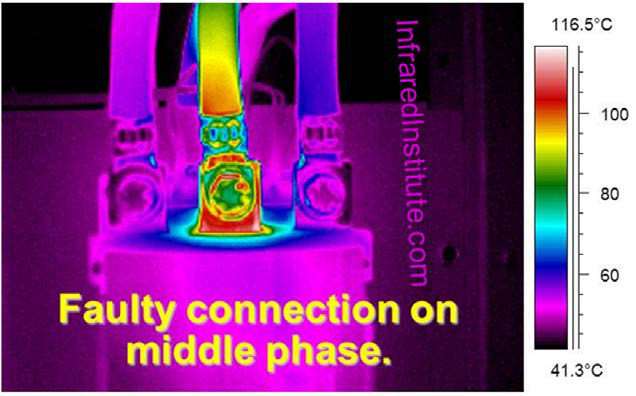
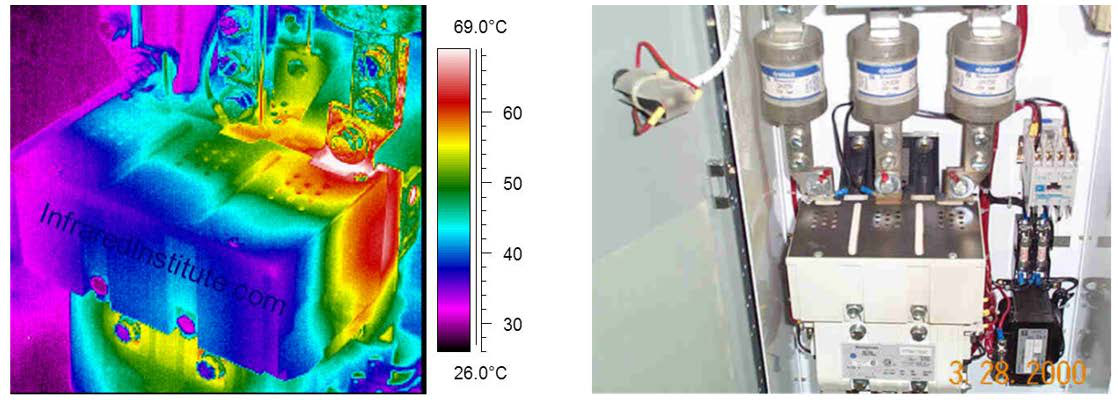
Common Causes of Electrical Faults:
- Poor workmanship and incorrect installation
- Equipment vibration and temperature cycling
- Failure to tighten connections properly
- Using wrong type of connectors or components
Three-Phase System Imbalance:
An unbalanced three-phase system causes motors and other three-phase loads to experience poor performance, premature failure, and increased operating costs.
Thermography instantly identifies these issues before they become catastrophic failures.
Cost Saving Example: A 415V, 3-phase breaker operating at 78°C (ambient 21°C) under 38A load was repaired. After successful correction with current dropping to 35.5A (2.5A difference), assuming continuous operations and RM0.365/kWh tariff:
Annual Savings ≈ RM1,627.96 per annum
This demonstrates how IR Thermography helps identify energy losses and reduce operational costs through predictive maintenance.
Condition Monitoring for Data Centers – Predictive Maintenance
Critical thermal management for continuous availability

Infrared Thermography is the critical non-contact method for locating "hot spots" caused by electrical resistance or poor airflow in data centers. By instantly visualizing these thermal anomalies, it enables proactive maintenance to prevent failures and reduce downtime.
Key Components: Uninterruptible Power Supplies (UPS), Switchgear, Distribution Panels, Power Supply Units, Transformers, Generators, Cables, Cooling Systems, Server Racks, Networking Equipment
UPS Thermography: Power Reliability Foundation
Protecting critical power systems through thermal monitoring
The Uninterruptible Power Supply (UPS) is critical for data center continuity. IR Thermography provides a non-invasive method for assessing UPS health by detecting excessive heat across battery banks, power electronics, and switching gear—proactively identifying high resistance and failing components.
Battery Systems
Heat detection in individual batteries and terminals for degradation assessment
Power Modules
Rectifier, Inverter, and Static Switch monitoring for stress and efficiency
Support Systems
Capacitors, Transformers, Fans, and Vents for degradation and blockages
IR Thermography in Process Plants
Predictive maintenance for industrial facilities
IR Thermography is a vital tool for locating hidden failures across processing plants, preventing catastrophic shutdowns and maximizing operational efficiency.
Mechanical & Rotating
Motors, Pumps, Gearboxes monitoring for bearing friction and wear
Electrical Systems
Switchgear, MCCs, Cables detection of high-resistance connections
Process Equipment
Kilns, Furnaces, Piping inspection for refractory breakdown and blockages
Building Structure Evaluation
Energy efficiency and structural integrity assessment
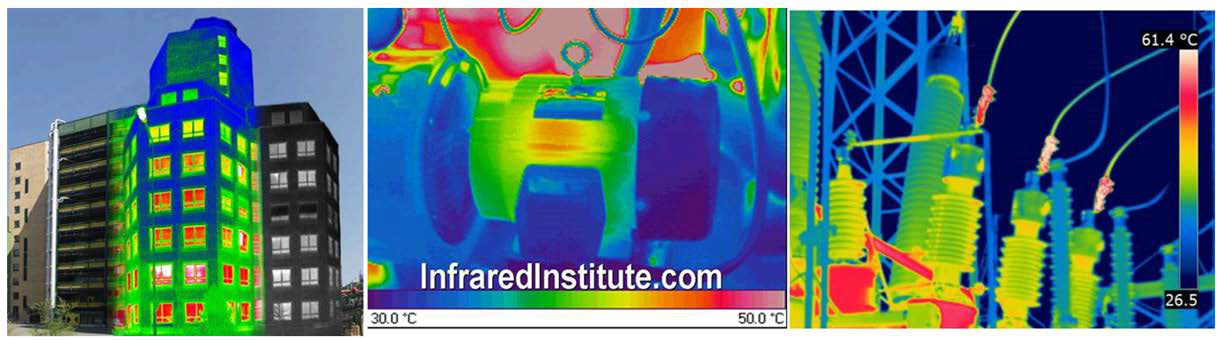
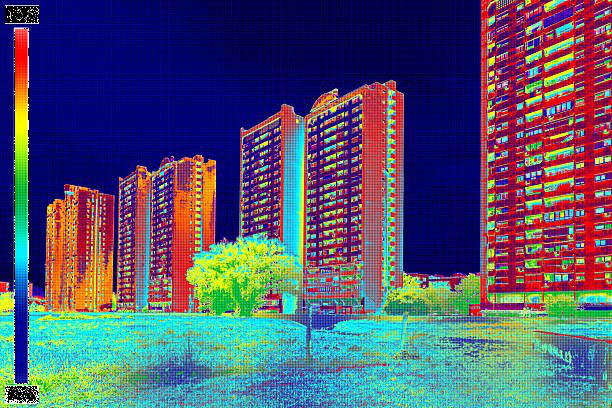
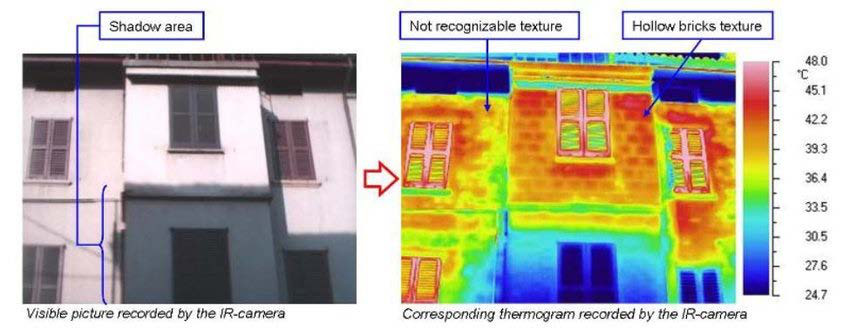
Infrared Thermography identifies hidden problems in residential, commercial, and industrial buildings, preventing energy waste, moisture damage, and structural failures.
Facade & Structural
Reveals delamination, panel separation, and structural deterioration
Moisture & Water Issues
Detects water intrusion and evaporative cooling signatures early
Insulation & Envelope
Identifies missing or damaged insulation in building systems
UAV Thermal Imaging
Advanced technology for large-scale aerial inspection

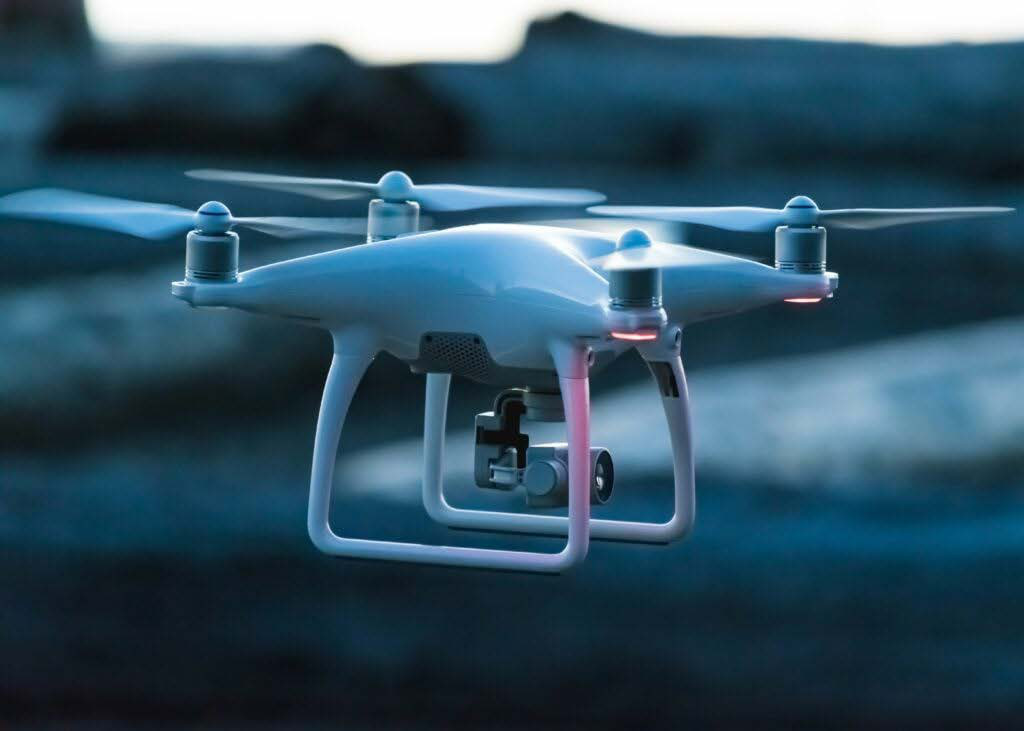
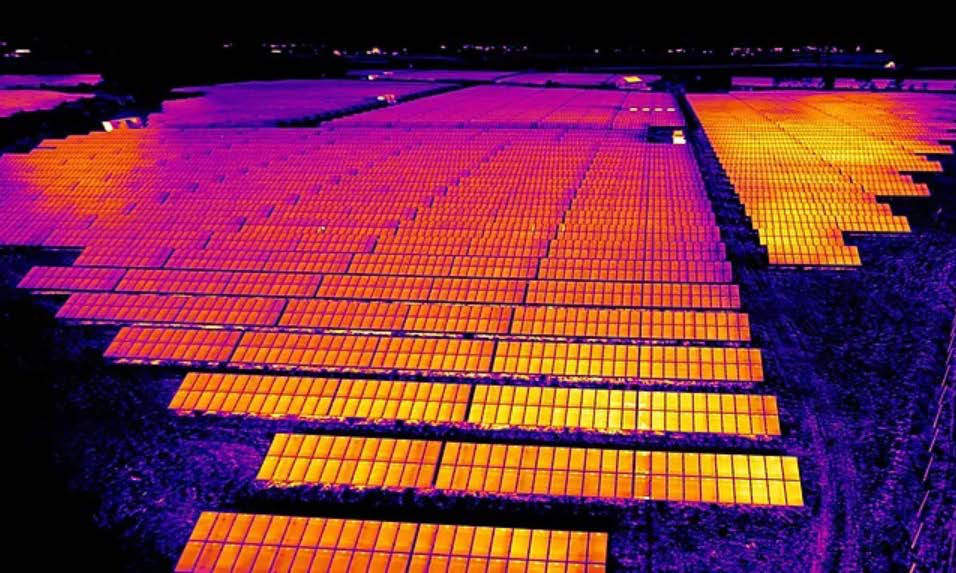
Unmanned Aerial Vehicles with thermal imaging enable safe, rapid, and efficient thermal data capture across vast or inaccessible structures.
Key Applications: Emergency response, power line inspection, solar panel analysis, industrial facility monitoring, and building facade evaluation.
SURIEMAS IR Thermography Services
Comprehensive thermal monitoring solutions
Professional Thermography Services
Our certified Level 1 thermographers conduct comprehensive thermal surveys using calibrated infrared cameras. We capture accurate thermal data under operating conditions to provide realistic assessment of equipment and system performance.
Analysis & Reporting
Detailed analysis of thermal images considering equipment specifications, operational loads, and environmental factors. We provide comprehensive reports with thermal images, temperature data, identified issues, criticality assessment, and prioritized recommendations.
Condition Monitoring Programs
Establish baseline thermal data and conduct periodic re-surveys to track equipment condition over time. Trending data reveals degradation patterns and enables predictive maintenance scheduling before failures occur.
